
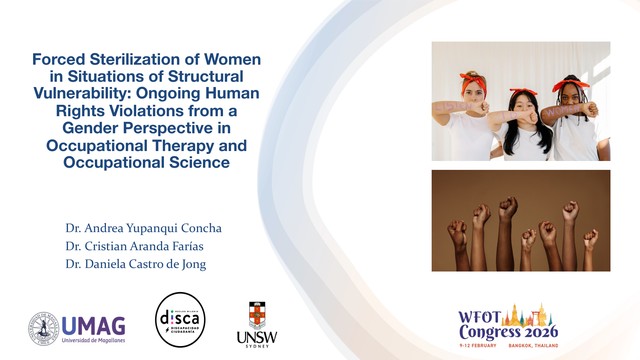
Introduction/Rationale: In recent years, multiple countries have been condemned by the United Nations for the continued practice of forced sterilization of women and girls. These violations disproportionately affect vulnerable populations, including those with disabilities, Indigenous communities, among others. This practice has deep historical roots, originally implemented as a eugenic population control measure in several nations, but it has been particularly prevalent in colonized nations in the Americas, such as Chile and Canada.
Objectives: This study provides a critical analysis of the ongoing practice of forced sterilization affecting women in vulnerable situations in two countries: Chile and Canada.
Methods/Approach: A literature review covering the past ten years was conducted using the Web of Science database, along with a documentary analysis of recent alternative reports submitted to the United Nations and two case studies. The analysis followed the guidelines of qualitative thematic analysis.
Results/Practice implications: Preliminary findings suggest that, despite significant differences between the two countries, forced sterilization continues to affect women, particularly those who share common vulnerabilities. It highlights an intersectional perspective, examining how the intersection of gender and other identity characteristics determines who is deemed “fit” for reproduction. The authors frame the discussion within the context of OT/OS, emphasizing that reproductive autonomy and access to healthcare are crucial components of occupational justice. They introduce the concepts of occupational apartheid and occupational deprivation to explain the systemic exclusion of certain groups from reproductive decision-making.
Conclusion/Contribution to the occupational therapy profession: This study challenges OT/ OS professionals to engage in advocacy for reproductive rights, broadening their roles beyond clinical settings to include social and political action.