
Leveraging of artificial intelligence to enhance the next generation occupational therapy practice and education: Innovations, challenges, and future directions

Developing an artificial intelligence-based smart kitchen system to detect functional cognitive errors during a simple cooking task

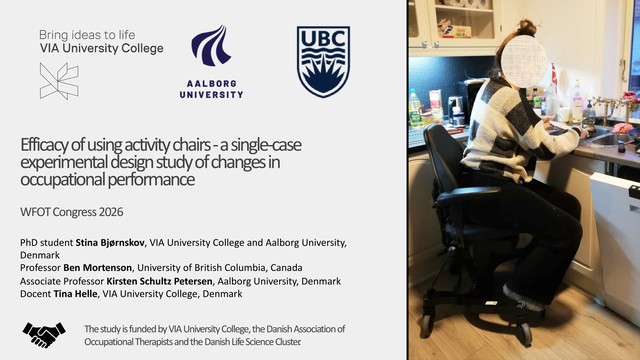
Efficacy of using activity chairs – a single-case experimental design study of changes in occupational performance
Leveraging artificial intelligence in assistive technology to enhance occupational performance for neurodivergent individuals
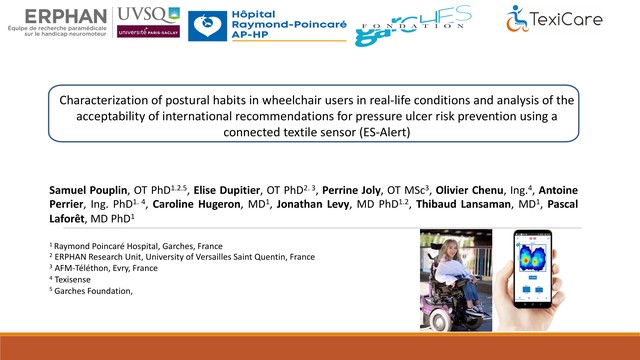
Characterization of the postural habits of wheelchair users and acceptability of recommendations for pressure ulcer prevention using a smart textile sensor
Bridging worlds: occupational therapists as innovators in AI-enabled home modification assessments

Improving access to assistive technology in Brazil and Uruguay: an analysis of the SUMA and FABTA programs

Co-creating mobility devices in less-resourced settings: A collaborative approach in developing an appropriate mobility device for Filipino children

From routine to resilience: A digital approach to occupational therapy support